
Introduction: Renovation With Purpose
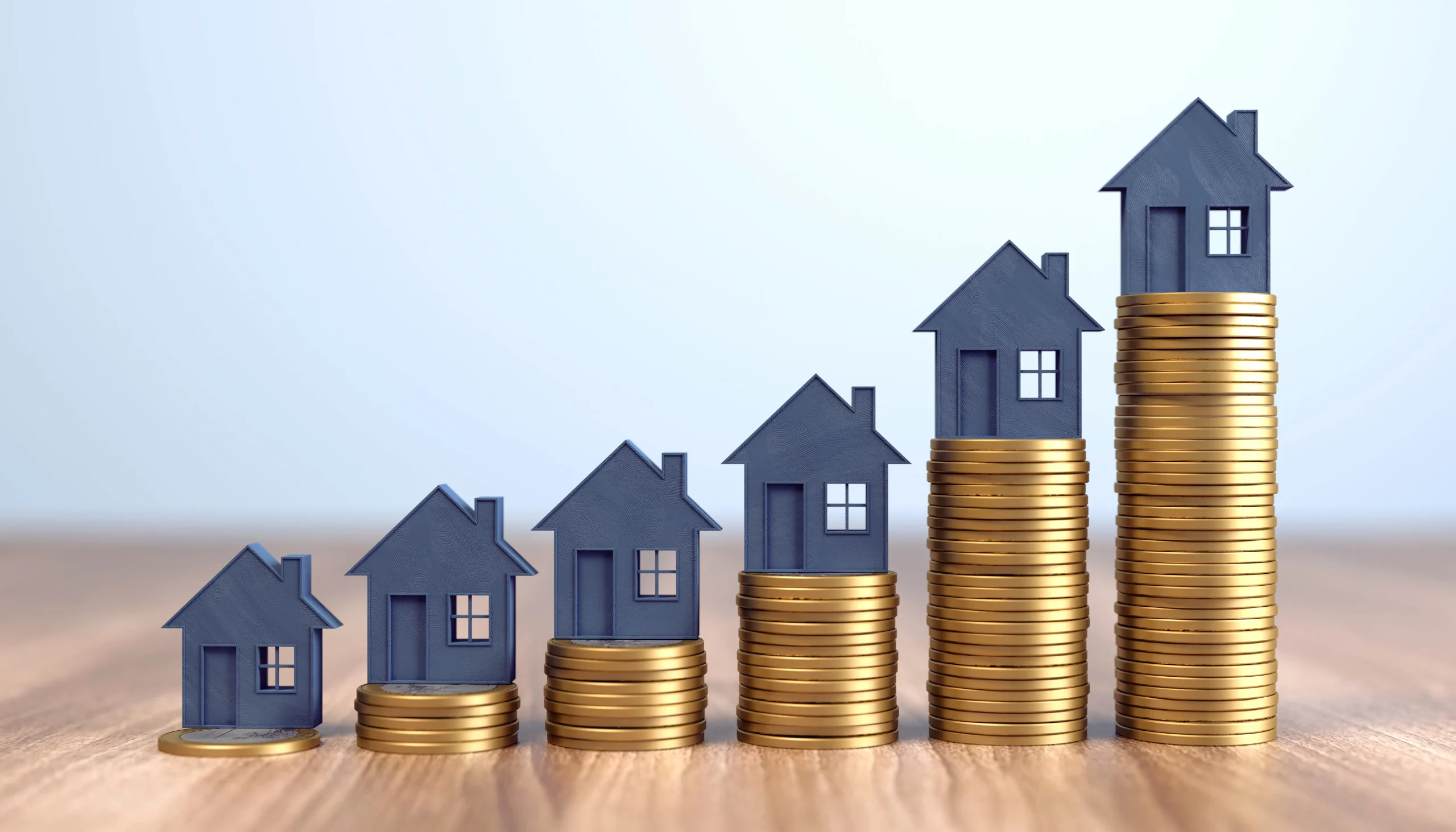
Home renovations play a major role in determining a property’s long-term value, not just its appearance. Many homeowners assume cosmetic updates alone are enough to attract buyers and increase the price. While surface changes may improve first impressions, they often fail to deliver meaningful returns without proper planning. Professional renovation planning focuses on purpose rather than appearance alone. Each decision is guided by functionality, durability, and market demand. This approach helps avoid wasted spending and missed opportunities. Renovation becomes a strategic investment rather than a visual upgrade.
Understanding What Truly Adds Value
Not all renovations contribute equally to property value. Buyers often prioritize layout flow, storage, efficiency, and system reliability over decorative features. Professional planning identifies which improvements align with buyer expectations in a specific market. This prevents homeowners from investing in upgrades that look appealing but add little financial return. Market research and buyer behavior guide renovation priorities. Functionality and livability become key drivers of value. Thoughtful planning ensures improvements serve a clear purpose.
Avoiding Over-Improvement Mistakes
Over-improvement is one of the most common and costly renovation mistakes homeowners make. Adding features that exceed neighborhood standards rarely results in higher resale value. Professional renovation planning ensures upgrades align with surrounding properties and buyer expectations. This balance protects budgets while preserving competitive positioning. Renovations are scaled appropriately rather than excessively. Resources are allocated where they matter most. Avoiding over-improvement safeguards return on investment.
Budget Control and Financial Efficiency
Renovation success depends heavily on disciplined budget management. Without clear planning, costs can escalate quickly and reduce profitability. Professional oversight establishes realistic budgets and detailed scopes before work begins. Expenses are monitored closely throughout the renovation process. Unexpected costs are anticipated and managed proactively. Financial efficiency keeps projects on track. Budget control protects both value and peace of mind.
Timeline Management and Project Coordination
Timelines directly impact renovation outcomes and overall costs. Delays can increase holding expenses and disrupt resale plans. Professional renovation planning creates structured timelines that account for sequencing and dependencies. Contractors, inspections, and materials are coordinated efficiently. Clear milestones help maintain momentum. Adjustments are handled proactively rather than reactively. Strong timeline management improves predictability and results.
Quality and Durability Over Short-Term Trends
Durability plays a critical role in long-term property performance. Renovations focused only on trends may quickly feel outdated or require future repairs. Professional planning prioritizes quality materials and reliable installation methods. Long-lasting improvements appeal to buyers seeking stability rather than novelty. Maintenance concerns are reduced through thoughtful choices. Quality workmanship protects value beyond the sale. Durability strengthens buyer confidence.
The Hidden Costs of Poor Renovation Planning
Poor renovation planning often leads to hidden costs that reduce overall return on investment. Without a clear strategy, homeowners may encounter unexpected repairs, change orders, or material delays. These issues increase expenses and unnecessarily extend timelines. Professional renovation planning anticipates potential challenges before work begins. Structural concerns, system upgrades, and compliance requirements are evaluated early. This preparation helps avoid surprises that disrupt budgets. Reducing hidden costs protects financial outcomes and project momentum.
How Renovation Planning Aligns With Buyer Psychology
Buyer psychology plays a significant role in the success of renovations. Buyers respond more strongly to functionality, flow, and reliability than decorative elements alone. Professional renovation planning takes buyer behavior into account when selecting upgrades. Layout improvements, lighting, and storage often influence decisions more than finishes. Understanding buyer priorities helps create an emotional connection and perceived value. Renovations aligned with buyer psychology feel intuitive and desirable.
Market Positioning After Renovation
A successful renovation must be supported by proper market positioning. Pricing, presentation, and timing influence how renovations are perceived. Professional planning ensures properties are introduced to the market strategically. Renovation value is communicated clearly through layout, finishes, and functionality. Buyer demand is considered when selecting listing timing. Market positioning completes the renovation strategy. Strong presentation supports strong outcomes.
Conclusion: Renovation as a Strategic Investment Tool
Renovation planning should always extend beyond cosmetic improvement. Professional guidance transforms renovation into a strategic investment tool. Purposeful upgrades deliver stronger financial results and market performance. Planning reduces risk while improving predictability. Homes renovated with intention outperform those updated without direction. Long-term value is built through thoughtful execution. Strategic renovation planning creates results that last.